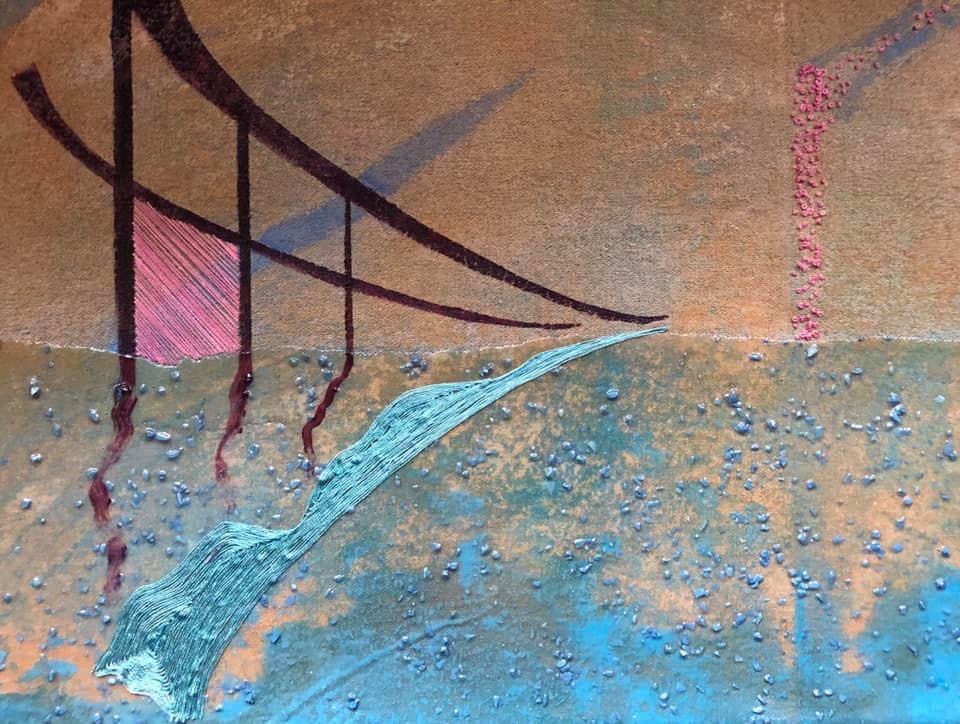
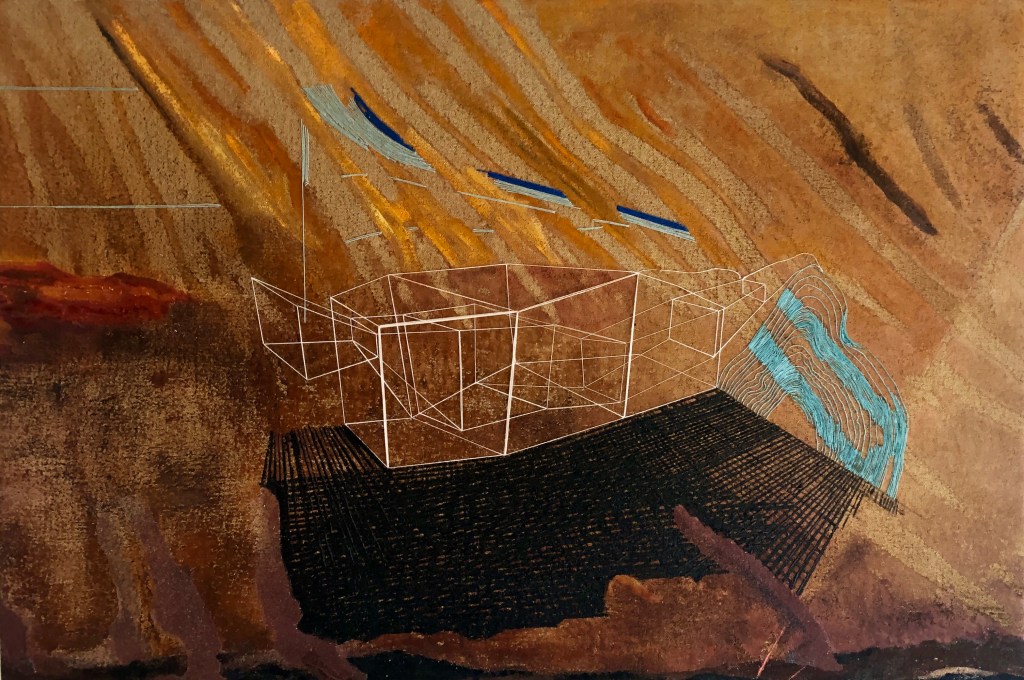
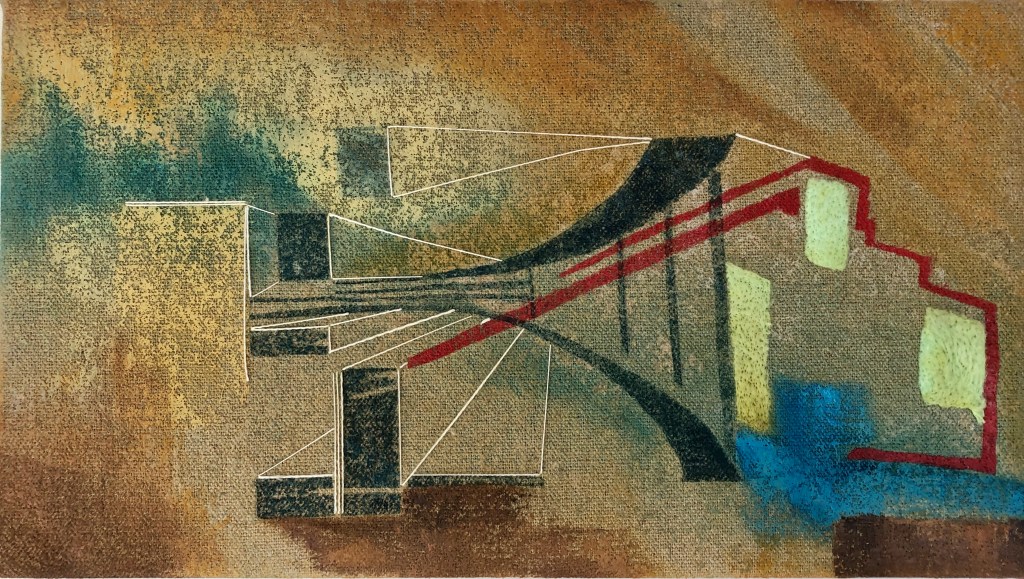
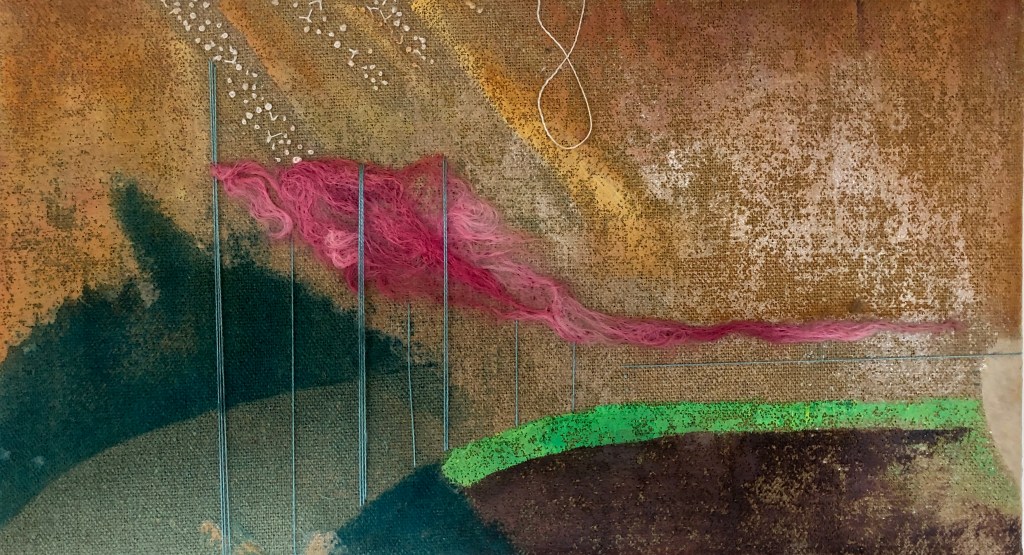
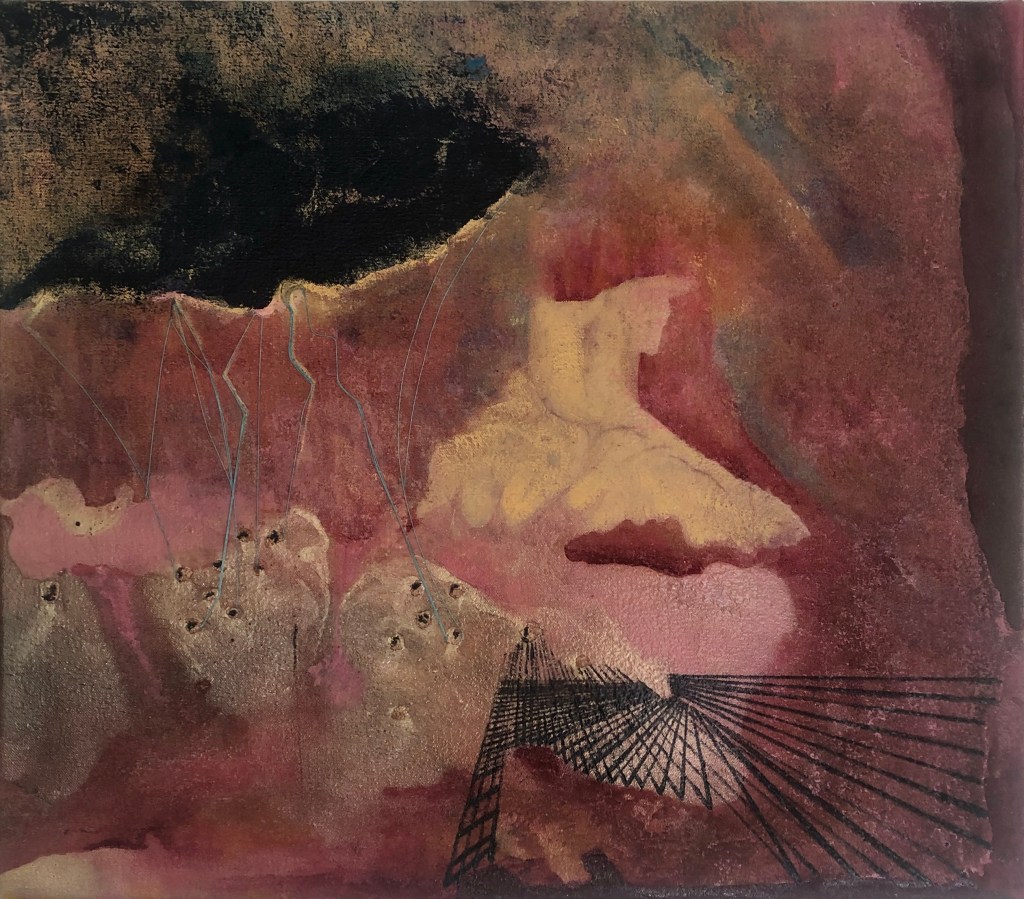
Lifeline is a conversation-expressed through material, gesture, and memory-an embodied narrative of a woman’s phenomenological experience navigating institutional barriers in medicine, mental health and education. These systems frequently obstruct equitable treatment for women, and lifeline gives form to that lived reality.
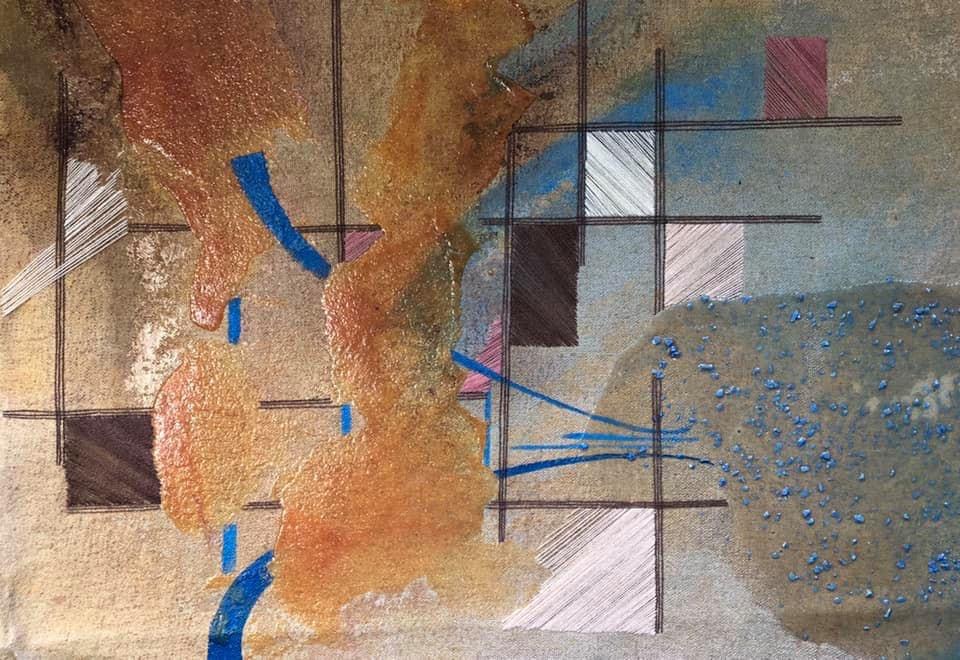
I stitch silk intuitively, responding to the ground-the landscape of memory-and to the emotional imprints left by of care while seeking support for my young adult children. The embroidered satin stitch in silk emerges as the perfect medium: both an expressive language of women’s shared experience and a measuring tool for the miscommunication and fragmentation between healthcare providers and the patients particularly intensified during and after the pandemic.
The vibrant silk threads embrace an expansive form of womanhood-one that affirms Trans and LGBTQ2S+ identity as integral to feminist expression. The pandemic reshaped the social landscape, revealing the texture of our interdependence while underscoring long-standing healthcare inequities. In this series, that social terrain is made invisible.
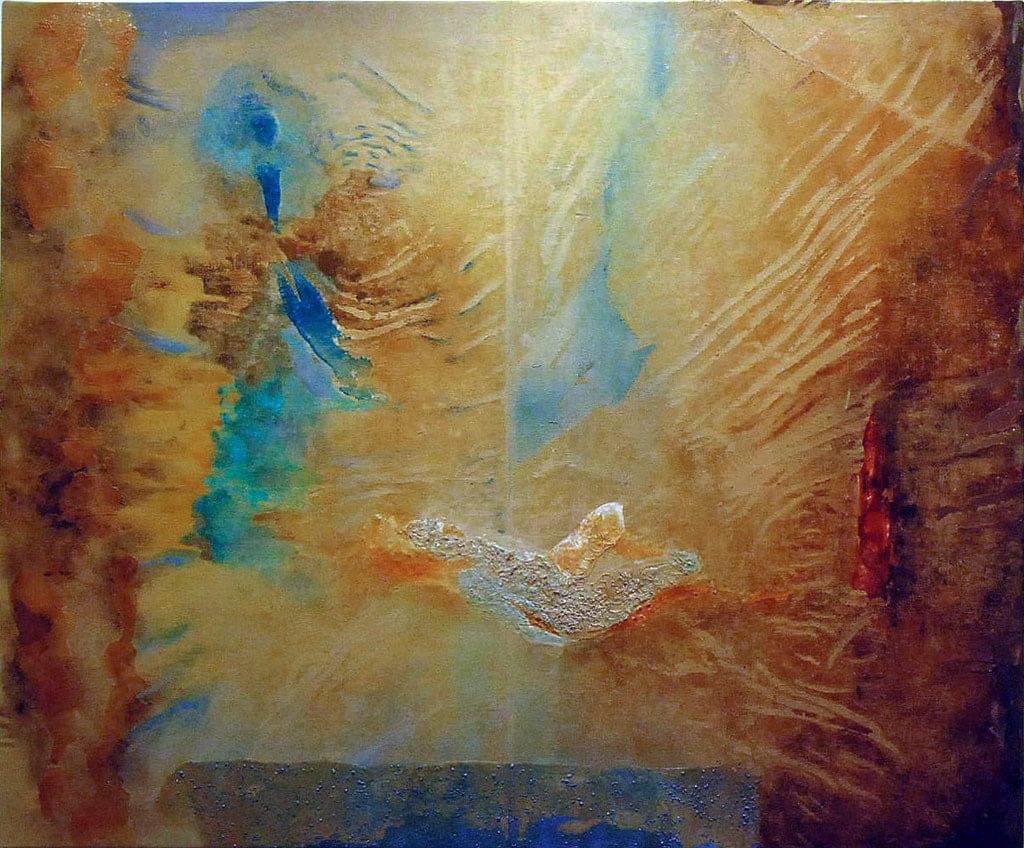
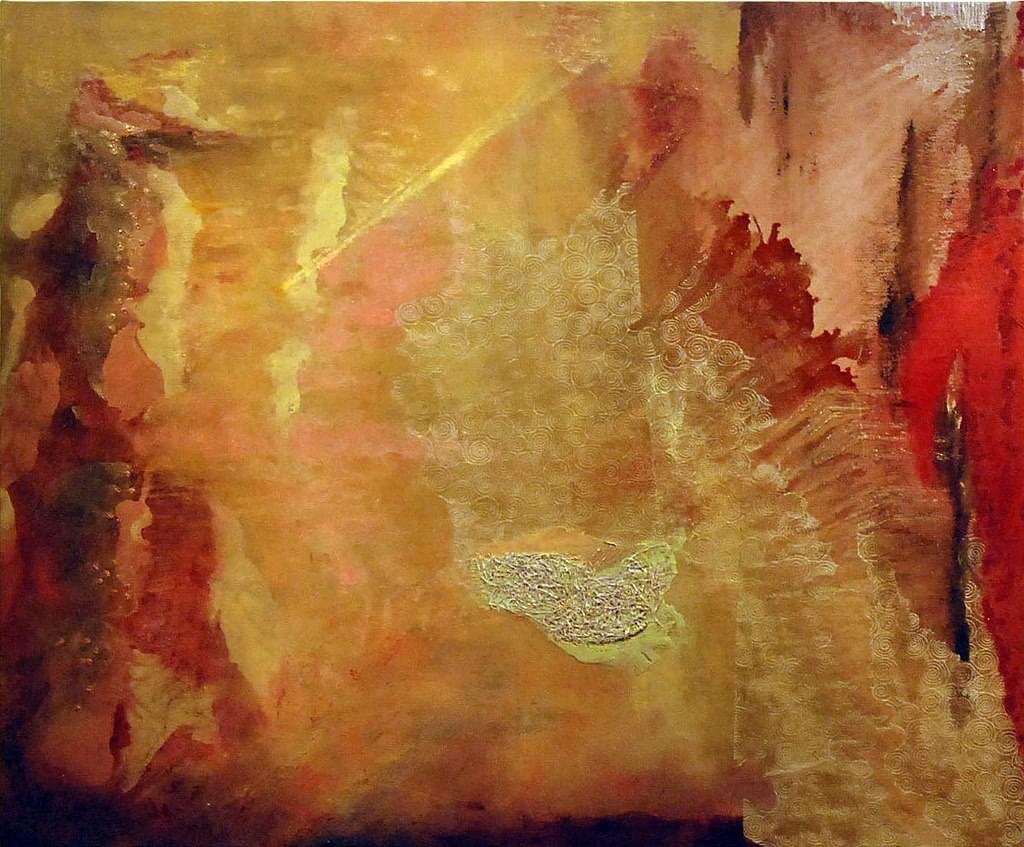
The ground I respond to in Lifeline were first created in 2010 as part of my Murmurs series-large murals exploring the emotional weight of parenting through the lens of childhood memory. Today, fragments of these earlier paintings have become the foundational layers for this new work. Eleven pieces carry the conversation forward.
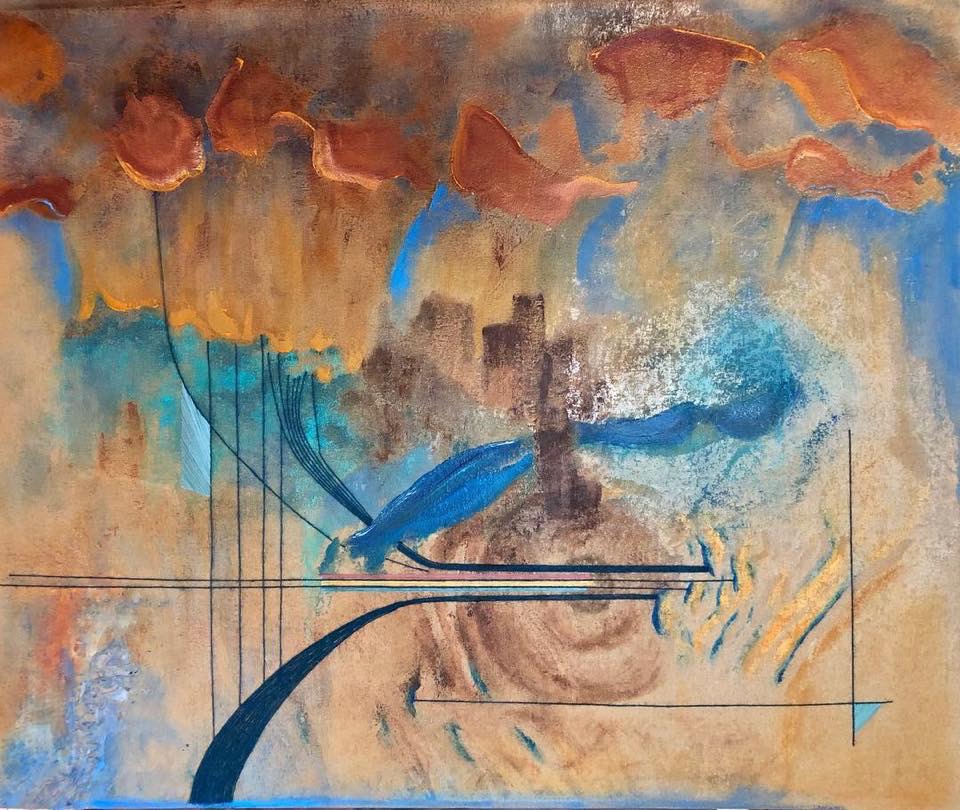
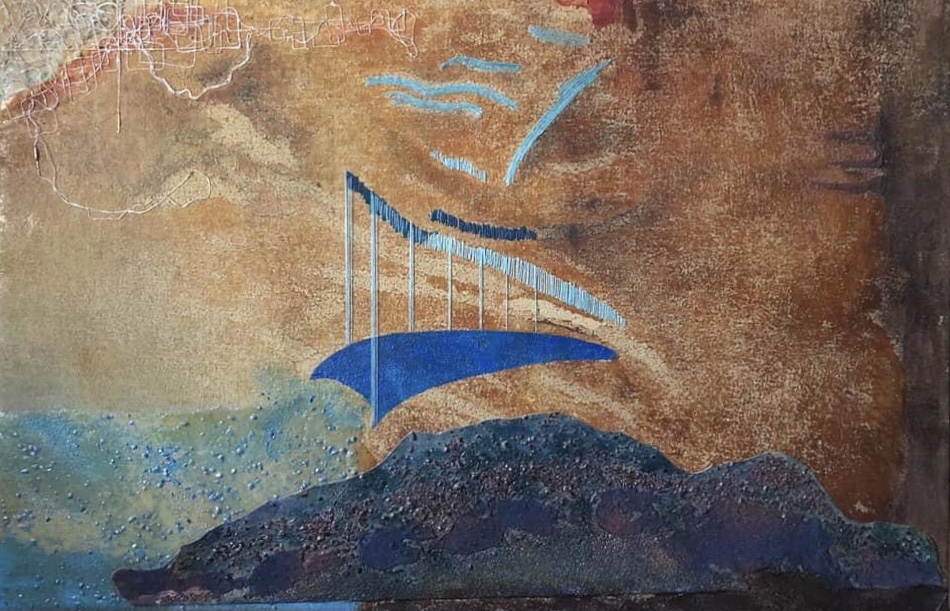
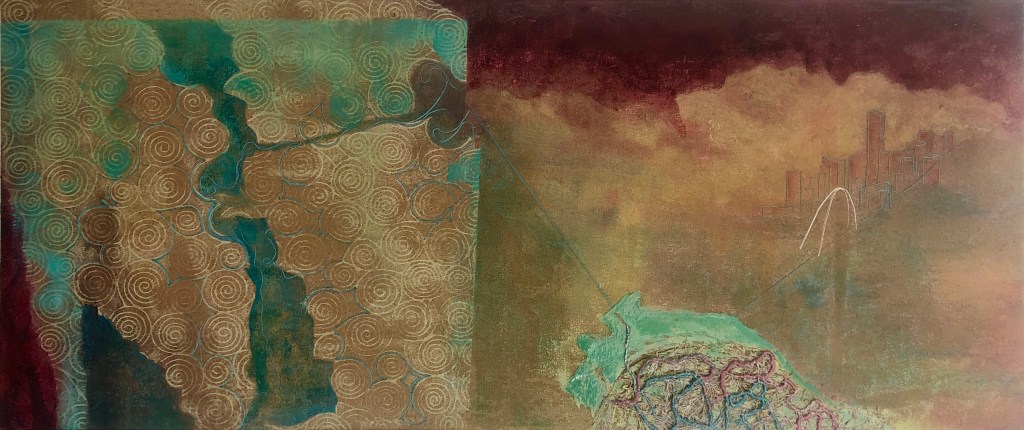
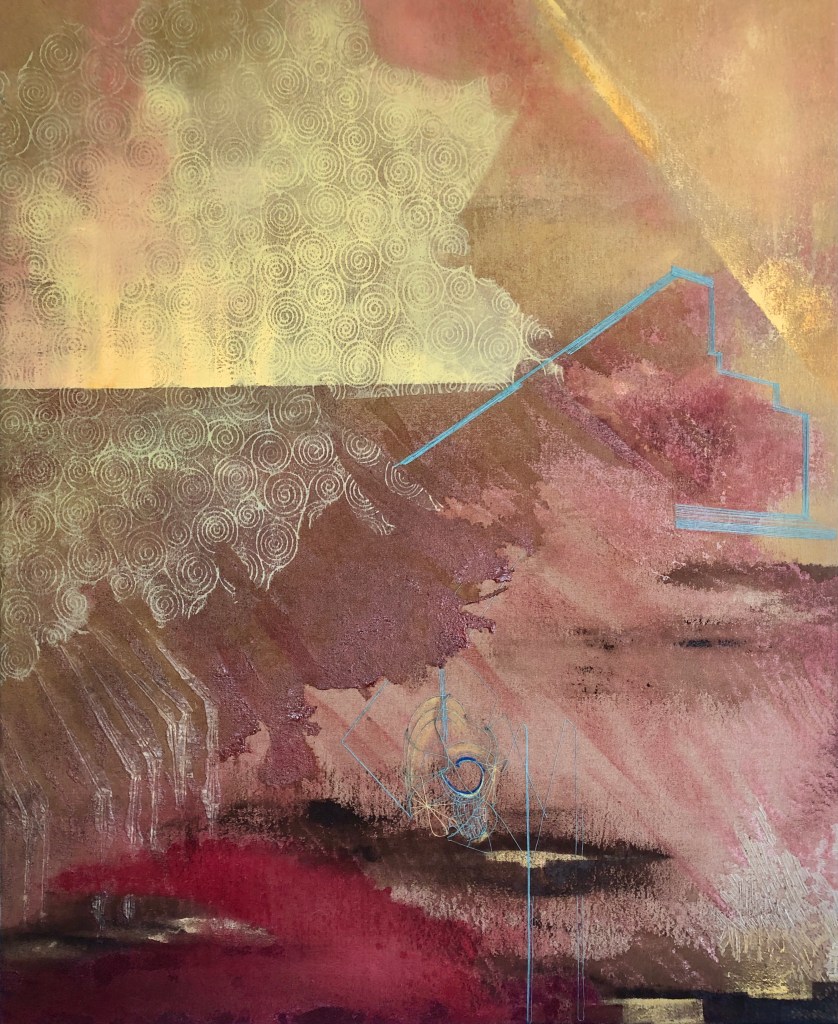
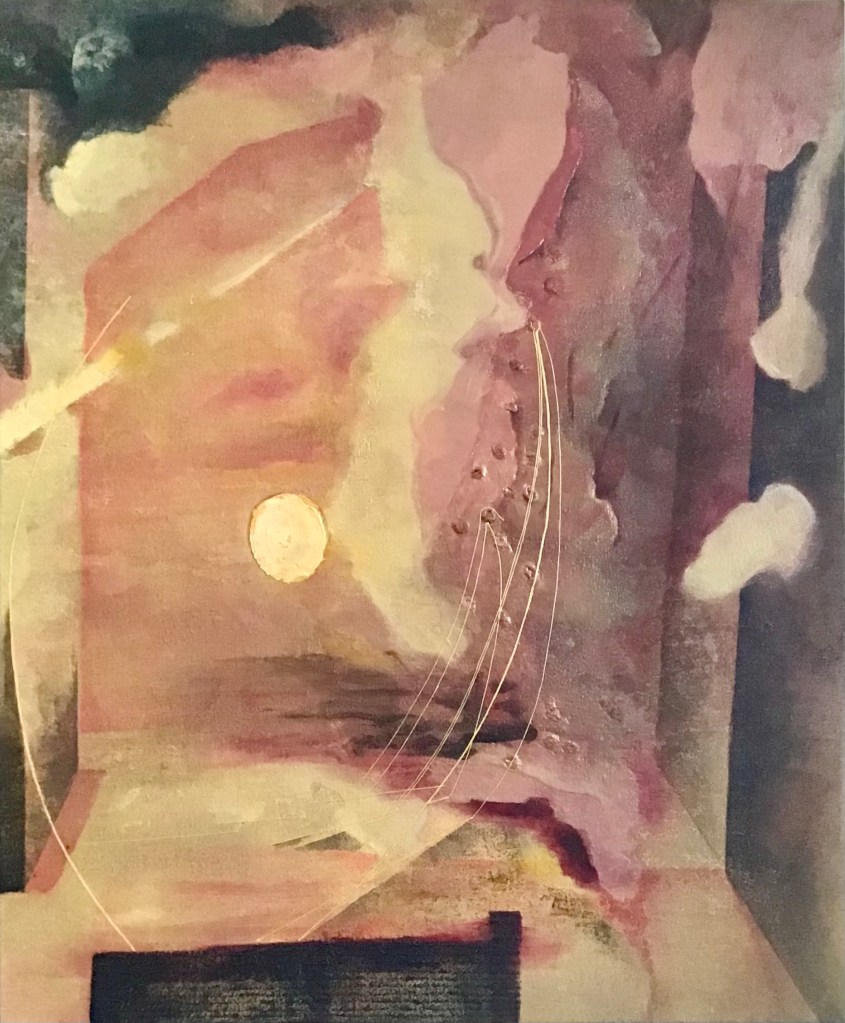
I guide silk thread through the negative space-the remnants of abstract expressionist pours. Teal, yellow and pink lines rhythmically weave through these voids, echoing the respective, often exhausting cycles of medical encounters. Each stitch is an act of endurance, care and resolve-a quiet acknowledgment of their invisible labour women perform daily. One stitch, one step at a time, builds a new form of architecture: one shape not by institutional logic but by persistence and intention.
These rhythmic, silky forms are not declarations of hope or despair. They articulate a new state of being-born from the trauma and isolation of the pandemic and the ongoing healing process. The forms challenge dominant architectures of healthcare; they attempt to fit in, but on their own terms, in their own language.
Interconnected, interwoven-borrowing from Merleau-Ponty’s phenomenology-Lifeline asserts intentionality in the face of erasure. It is a tactile record of presence, resilience, and transformation.
Have a project in mind?
 Hope Wells Landscape Studio